Caring about the planet is something that’s been part of Atomik AM from the start, because it matters to us as people, not just as a business.
Across the team, that shows up in everyday choices. Many of us walk, cycle or use public transport to get to work. Those choices aren’t driven by targets or policies, they’re simply habits that reflect a shared awareness of our impact and a desire to do better where we can.
As Atomik AM has grown, we’ve wanted that same mindset to be reflected in how we build the company. Sustainability isn’t something we see as separate from our work, it’s part of the context in which we develop materials, work with suppliers and make decisions about how we operate.
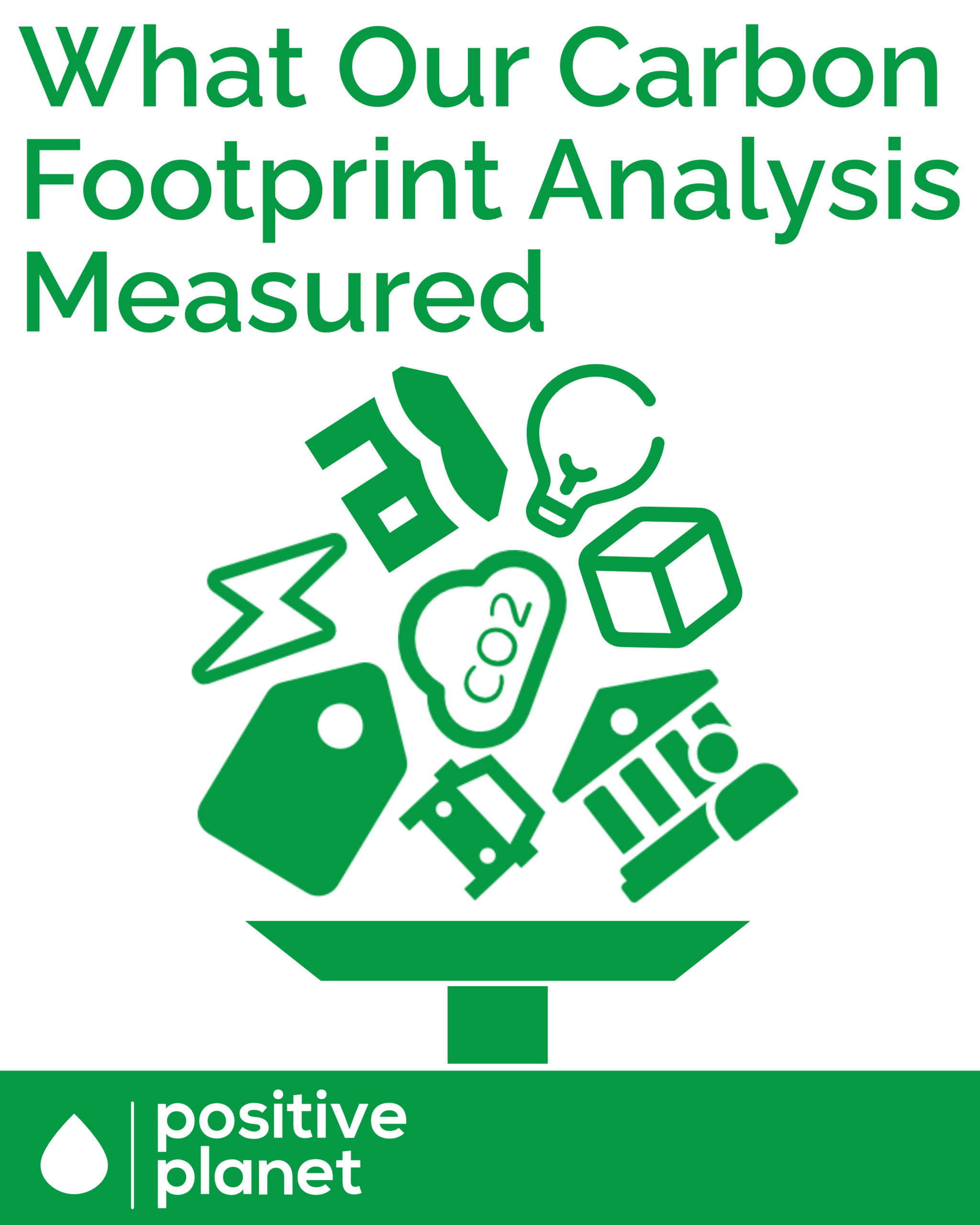
That’s why we recently chose to work with Positive Planet, a Manchester based sustainability consultancy, to measure our organisational carbon emissions. We wanted to take an honest look at our impact and understand where we could improve.
Understanding Our Impact
Going into the audit, we were realistic about what it would show. As a growing materials business, and one currently based within a university environment, we knew the data wouldn’t be perfect and that some areas would be harder to measure than others.
What mattered was starting. Measuring early gives us a baseline and helps ensure sustainability is built into how we scale, rather than treated as something to address later.
What We Learned
One of the clearest insights from the audit was that most of our environmental impact doesn’t come from what happens day to day inside our own space. It sits in what’s known as Scope 3 emissions, which includes the materials we buy, how they’re sourced and the supply chains around them.
That insight is important because it changes where attention needs to be focused. Improving impact isn’t just about operational efficiencies, it’s about procurement, supplier relationships and long-term choices.
Looking at What We Can Do Better
Working with Positive Planet has helped us move beyond assumptions and start asking more informed questions about where changes will have the greatest effect.
The audit is already shaping how we think about sourcing, the suppliers we work with and how we improve the quality of our data over time. Some changes will be straightforward, others will take longer, but having clarity allows us to move in the right direction.
Part of How We Operate
For us, sustainability isn’t a standalone initiative. It’s tied to our culture, our values and how we choose to run the business.
Manufacturing has a real impact on people, resources and environments. Taking responsibility for that means being willing to look closely at where we are today and commit to improving over time.
This work is ongoing, and we’ll continue to share what we learn as it develops, not because it’s complete, but because it’s part of how we operate at Atomik AM.